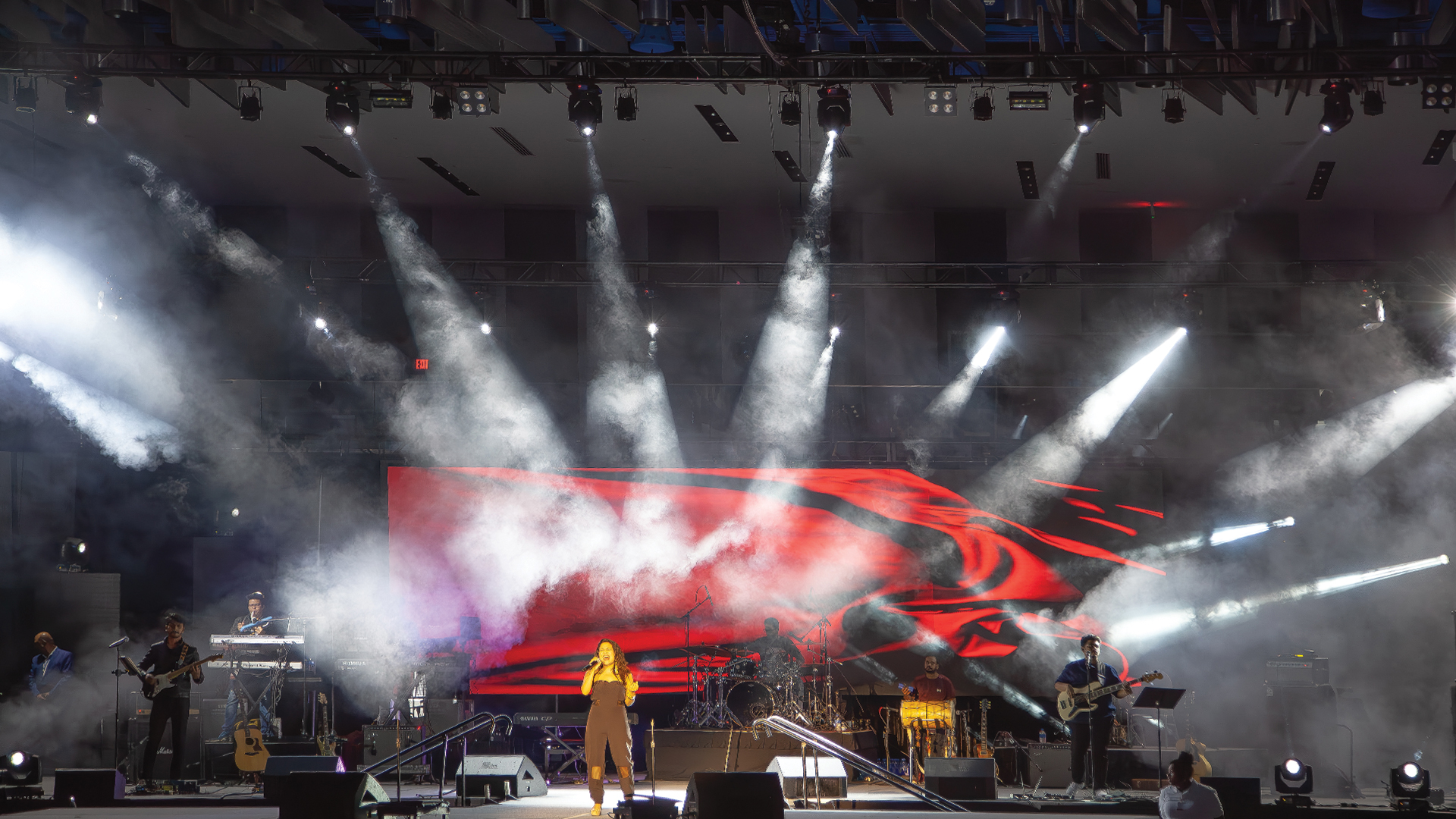

Concert production has transformed dramatically over the past decade, and lighting now plays a vital role in shaping the energy, visual identity, and emotional flow of a live performance. Whether it is a small local gig or a large-scale arena show, lighting design has become one of the defining elements that determine how audiences perceive the stage. Modern shows rely on precise control, advanced fixtures, synchronized effects, and immersive atmospheres that enhance the music and strengthen the visual storytelling. In this guide, you will discover the fundamentals of concert lighting, the technologies behind it, and the essential techniques that help create unforgettable stage experiences.
Lighting is no longer just about visibility. It is about mood, color psychology, motion, and rhythm. Designers use fixtures and control systems to build visual narratives that evolve with each moment of the performance. When carefully planned, lighting can elevate a performer’s presence, support the message of a song, and transform a basic stage setup into a living, breathing environment. This is why understanding the core principles behind concert lighting is so crucial for event planners, technicians, and anyone passionate about stage production.
The Essential Fixtures Used in Concert Lighting
Every lighting design begins with understanding the types of fixtures used on stage. Each type serves a unique purpose, and the best productions combine multiple categories to achieve a layered, dynamic look. Wash fixtures spread color evenly across the stage, bathing performers in soft, smooth tones. Spot fixtures produce sharper, more focused beams ideal for patterns, gobos, and high-contrast looks. Beam fixtures generate thin, intense shafts of light seen in many electronic and rock concerts. Today’s hybrid fixtures blend these functions to offer maximum flexibility, making them essential for touring productions and large events that require fast setup.
LED technology has significantly improved the performance and variety of modern lighting gear. LED pars, battens, bars, and pixel-mapped fixtures offer impressive brightness, vivid color, and energy efficiency. They also generate less heat and provide more control options than older lamp-based systems. LED video panels have become central to stage design, allowing designers to merge lighting and video into one cohesive visual environment. Many concerts now use stage lights and LED screens in combination to shape space, create depth, and craft powerful visual moments that match the music.
How Lighting Placement Shapes the Stage
Proper fixture placement makes a major difference in how lighting interacts with performers and the audience. Front lighting ensures performers are clearly visible, while backlighting adds depth and creates striking silhouettes. Side lighting highlights movement and offers dramatic shading that enhances choreography and live instrument performance. Overhead trusses introduce vertical layers that allow designers to sculpt the stage from above, creating an immersive lighting dome that surrounds the performers.
Even small changes in angle, height, or spacing can dramatically alter the visual result. Positioning also helps separate elements on stage, emphasize key moments in a song, and guide the audience’s attention to specific performers. Good placement ensures a balanced look that feels intentional rather than chaotic. This is one reason why many designers rely on stage gear such as truss structures, lifts, and rigging systems to secure fixtures safely and allow for optimal positioning.
Lighting Control Systems and Programming
Lighting consoles and control software power the entire system. They allow designers to control intensity, color, movement, timing, and effects in real time. Control systems act as the brain of concert lighting, coordinating cues that align with the performance. Some designers pre-program entire shows using timecode, while others mix pre-programmed cues with live improvisation to match the performer’s energy.
Programming is where creativity and technology meet. Designers can build cue stacks, movement patterns, color changes, and synchronized effects that transform each musical moment. Advanced consoles also support pixel mapping, making it possible to treat groups of fixtures as digital canvases. This approach allows lighting to behave almost like video content, creating waves, gradients, and animations across the stage. With intelligent programming, concert lighting becomes more than illumination—it becomes an active storytelling tool.
The Power of Atmospherics: Fog, Haze, and Lasers
Atmospheric effects are essential for highlighting beams and adding dimension to lighting. Without haze, many lighting effects would be invisible. Haze fills the air evenly, making it possible to see beams, shapes, and aerial effects. Fog creates thicker, more dramatic clouds that appear during key moments or musical drops. Lasers provide sharp, highly defined beams that cut through haze and generate stunning geometric patterns.
When combined with lighting, atmospherics add depth, texture, and motion. They make the stage feel larger, more dynamic, and more immersive. However, these effects must be used strategically. Too much haze can obscure visibility, while too little reduces the impact of beam effects. Professional operators monitor airflow, fixture output, and venue conditions to maintain the ideal balance for each performance.
Color Design and Emotional Impact
Color is one of the most powerful elements in concert lighting. It shapes the emotional tone of a performance, supports the theme of each song, and influences how the audience feels. Warm tones like red and amber create energy and passion. Blues and purples bring mystery, calmness, and reflection. Green evokes futuristic or natural themes. Designers often build color palettes that evolve throughout the show, matching musical transitions and emotional shifts.
Color psychology is especially important in multi-genre concerts, where lighting must adapt quickly. Effective color design avoids visual chaos by using intentional combinations, gradients, and transitions. Smooth color fades enhance mood, while sharp color changes can emphasize drops, breaks, and dramatic shifts in the music.
Building a Lighting Design for Small and Large Events
Large tours rely on massive rigs with hundreds of fixtures, LED walls, moving trusses, and advanced control systems. Smaller events use compact, portable gear that offers flexibility and quick setup. But even simple setups can look professional with thoughtful design. A few well-placed fixtures, a bit of haze, and smart programming can transform a basic stage into something visually impressive.
Small events often benefit from wireless technology, battery-powered fixtures, and modular truss systems. These tools allow for fast installation while maintaining professional-level results. Large concerts, on the other hand, require careful planning, rigging, power distribution, and safety protocols. Both small and large productions rely on the same core principles: creativity, coordination, and a strong understanding of how lighting interacts with music and space.
The Future of Concert Lighting Technology
Technology continues to push the boundaries of what lighting can achieve. Automation, AI-assisted programming, high-resolution pixel fixtures, and advanced laser mapping are becoming more common. Wireless DMX, sustainable lighting solutions, and virtual pre-visualization tools also play an increasing role in modern productions.
Designers can now build entire shows in 3D software before stepping into a venue. This saves time, reduces setup errors, and allows for more complex programming. As fixtures become more efficient and flexible, lighting designers have more creative freedom than ever before. The future of concert lighting promises even more innovation as technology evolves.
Conclusion
Concert lighting is a powerful combination of engineering, creativity, and storytelling. From fixture selection and placement to programming, atmospherics, and color theory, every part of the process contributes to the visual experience of a live event. Whether designing lighting for a small stage or a large arena, understanding these fundamentals is key to creating memorable performances. As technology continues to evolve, lighting will play an even greater role in shaping how audiences connect with music, movement, and emotion during live concerts.

Hi, this is a comment.
To get started with moderating, editing, and deleting comments, please visit the Comments screen in the dashboard.
Commenter avatars come from Gravatar.