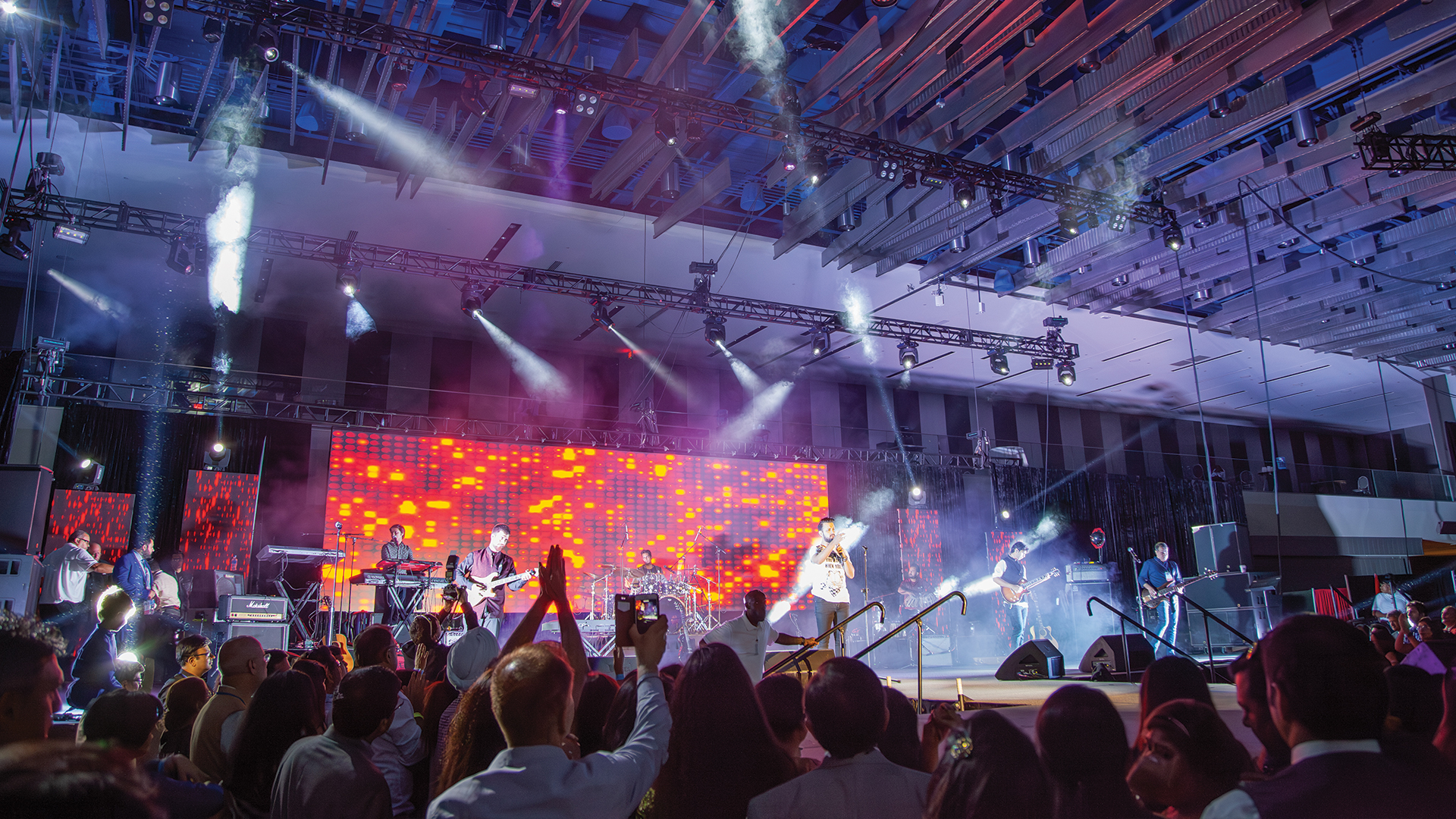

A strong lighting plot is the backbone of any professional stage setup. It dictates not only where fixtures will be placed but also how they will interact with each other to create a cohesive visual story. When designing your plot, consider the venue’s physical limitations first. Smaller club stages require tighter angles and compact fixtures, while festival grounds allow for wide throws, long-distance beams, and high-powered effects.
Start by mapping out your core zones. The front wash is responsible for facial visibility and must remain consistent throughout the show. Side and back lighting create depth, enhance movement, and shape the silhouette of performers. From there, think about accents: mid-air beams, color washes, strobes, pixel bars, and special effects. Balance matters—too many effects at once cause visual overload, while too few make the stage feel empty.
Your lighting plot should also account for transitions. A good lighting engineer designs cues that blend smoothly from one scene to the next. This helps maintain the emotional flow of a performance. A well-structured plot prevents last-minute improvisation and ensures every moment of the show has a defined visual purpose. By including layered zones, intentional contrast points, and flexible fixture groups, you create a system capable of supporting any genre or performance style.
This is where the final use of Concert Lighting fits naturally: a well-designed plot ensures that every fixture works together as part of a larger visual ecosystem, bringing the full power of Concert Lighting to life on stage.
The Importance of Color Theory in Stage Lighting
Color is one of the most powerful emotional tools available to lighting designers. Every color choice influences the audience’s perception of the show. Warm tones—amber, gold, red—create intensity, intimacy, or heat. Cool tones—blue, lavender, teal—create calmness, mystery, or spaciousness. Understanding how these tones interact allows you to build scenes that communicate mood instantly.
Complementary palettes are especially effective for dynamic transitions. For example, switching from deep blue to orange instantly shifts emotional tone. Analogous palettes (colors close on the wheel) create smoother, more cinematic scenes. Saturation also matters: bold colors add drama, while desaturated tones feel natural and organic.
Color mixing capabilities vary widely across fixtures, especially between LED PAR lights, moving heads, and older discharge-based units. To keep color consistent across fixture types, conduct a pre-show color calibration. This ensures skin tones don’t shift unexpectedly and visual scenes look unified in person and on camera.
Concerts often use color in layers—front wash in neutral tones, mid-stage zones in rich colors, and aerial effects in sharp beams. This layering prevents performers from getting lost in overly saturated washes while still maintaining dramatic, colorful scenes. Effective color design requires experimentation, but when executed well, it transforms simple lighting into an immersive visual experience.
Achieving Dynamic Movement on Stage
Movement is one of the defining elements of high-energy shows. Whether through pan-tilt motion of moving heads, rotating gobos, pixel chases, or timed beam sweeps, motion keeps audiences visually engaged. But movement must have intention. Random motion may look chaotic, but choreographed patterns can elevate a show to professional level.
One popular method is synchronized “wave sweeps,” where fixtures follow a rolling motion from one side of the stage to the other. Another is alternating fan outs—perfect for dramatic intros or breakdowns. Beam “punctuation,” short sharp movements timed with drum hits, adds rhythm to the lighting design.
Moving heads offer the greatest flexibility. By assigning fixture groups (left side, right side, upstage, downstage), designers can create layered motion that fills the space without overwhelming it. Rotating gobos add texture and shape, allowing you to project patterns onto smoke, performers, or surfaces.
Automation can also be your friend—timecode programming ensures perfect synchronization with music, especially for EDM or pop artists. However, manual operation with a skilled lighting operator keeps the show reactive, especially during improvisational performances like rock concerts or jazz festivals.
Power Management for Lighting Rigs
Lighting fixtures are power-hungry. Even energy-efficient LEDs require proper distribution to prevent overloads, flickering, or sudden shutdowns. A safe and effective power plan begins with calculating total load across your rig. Divide fixtures into multiple circuits to avoid putting too much strain on a single source.
Use dedicated power distribution units designed for stage environments. These protect equipment from voltage spikes and ensure stable output even when multiple high-intensity fixtures activate at once. Always allow a buffer of at least 20–30% above estimated power consumption for safety.
Cable management is equally essential. Loose, tangled, or improperly routed power cables can create tripping hazards or interfere with signal cables. Running power and data separately reduces the risk of interference and keeps your stage cleaner and safer.
For outdoor concerts, weather-rated power solutions are non-negotiable. Waterproof connectors, sealed distribution boxes, and elevated cable paths protect against moisture damage. Proper grounding prevents electrical faults, especially when using metal truss structures.
Integrating Lighting With Audio and Video
Modern productions rely on synchronized visual ecosystems. Lighting must interact seamlessly with audio and video elements to deliver a unified experience. This begins with communication between departments. Lighting designers should align cue structures with audio engineers and LED wall operators during pre-production planning.
Video content often dictates color palettes or rhythmic pacing. For example, a fast-moving visual on LED screens pairs naturally with sharp strobe hits or rapid beam chases. Slow ambient visuals benefit from smooth fades and soft washes.
Timecode is an essential tool for large productions. It ensures that lighting cues match video playback with frame-accurate precision. For smaller shows, manual cue triggering remains effective if operators are well-rehearsed.
The biggest mistake is thinking of lighting as a separate element. In great productions, every department works together to create a cohesive sensory landscape that enhances performer presence and audience immersion.
Safety Considerations During Setup
Safety is a priority from the first load-in to the final strike. Heavy fixtures mounted on truss systems require secure rigging, certified hardware, and proper weight distribution. Every clamp and safety cable must be double-checked before raising the truss.
When working at height, technicians must use approved fall-protection gear. Lift operations should be conducted only by trained personnel, and communication through radios or hand signals prevents accidents.
Heat management also matters. Older fixtures and high-output units generate significant heat. Keep them away from fabric elements and ensure adequate ventilation around dimmer racks and power units.
Cable runs must follow clean paths, avoiding walkways whenever possible. Every cable should be taped or covered with a proper ramp to prevent tripping hazards. A tidy stage is not only professional—it’s safe.
How to Future-Proof Your Lighting Setup
Technology evolves fast. What feels cutting-edge today can feel outdated in two years. To stay ahead, choose fixtures with flexible feature sets—multi-mode LEDs, modular optics, built-in wireless options, and advanced color engines.
Invest in control systems that support modern protocols like Art-Net, sACN, and wireless DMX. These allow you to scale your system as productions get larger.
Most importantly, stay updated with training. Lighting software updates often introduce powerful new programming options. Ongoing education ensures your crew can take advantage of modern tools and maintain industry-standard workflows.
Conclusion
A powerful stage lighting setup requires more than bright fixtures—it requires planning, creativity, technical knowledge, and cohesion between visual elements. By understanding fixture types, designing an intentional lighting plot, using color effectively, managing power safely, and integrating lighting with audio and video, you can deliver unforgettable visual experiences for any concert environment.
