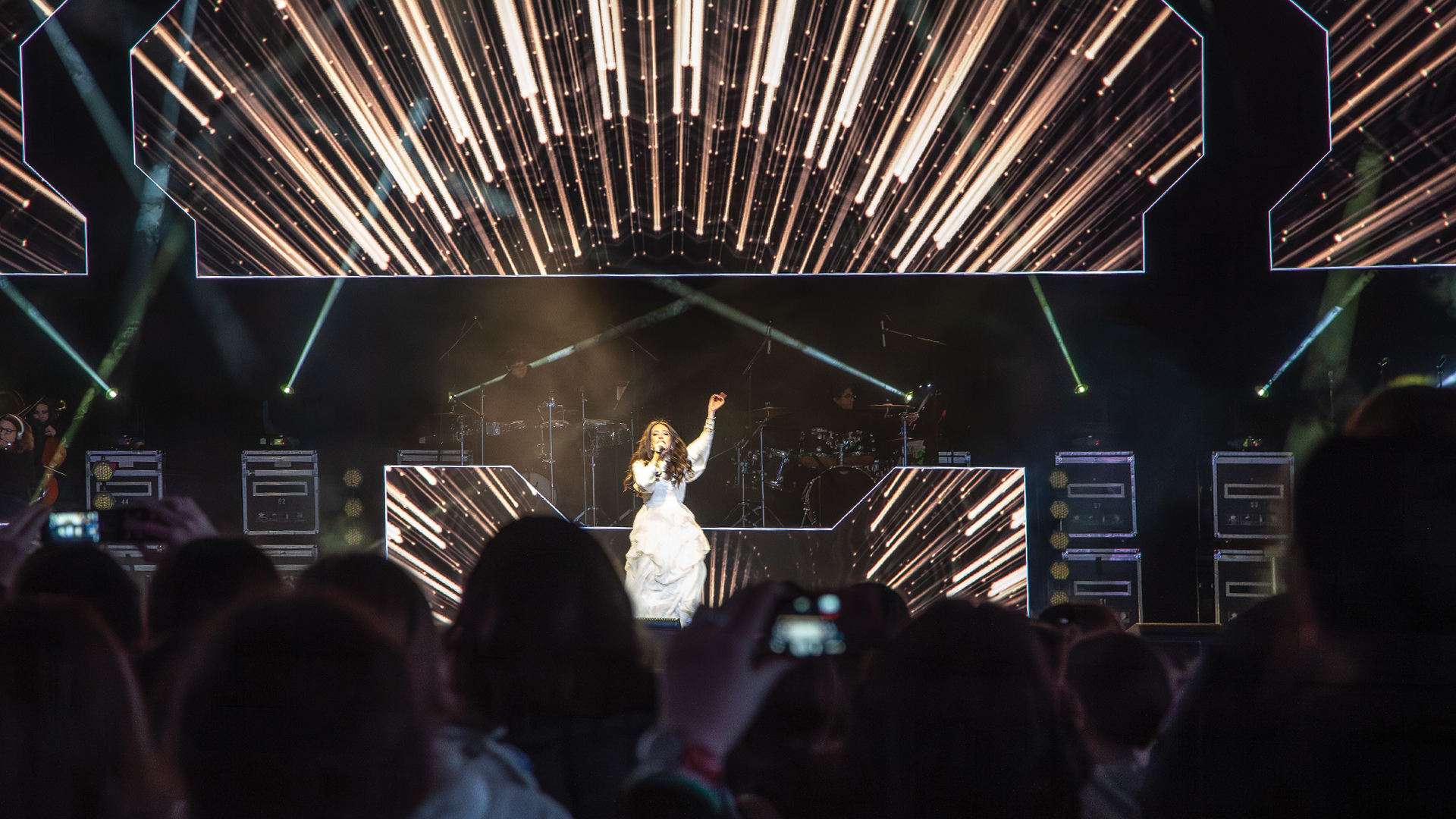

Live concerts are more than just music; they are complete experiences. Clear, powerful, and consistent sound can make or break a performance. Whether it’s a small club or a massive festival, every audience expects professional-level audio. Event organizers and production crews rely on concert audio gear to ensure each note, beat, and vocal is delivered perfectly. From PA systems and subwoofers to microphones and in-ear monitors, every piece of equipment plays a critical role in shaping the sound.
Modern audiences are very discerning. With the rise of high-fidelity home audio, streaming, and concert recordings, they can detect poor mixing, distortion, and uneven levels. To meet these expectations, planners must invest in quality gear and skilled operators who understand the technical requirements of live sound. The following guide breaks down the essentials of concert audio gear, how they interact, and what to consider for both indoor and outdoor events.
Understanding PA Systems: The Backbone of Live Audio
PA (Public Address) systems are the most important element of any concert audio setup. They project sound from the stage to the audience, ensuring clarity and coverage. A high-quality PA system allows music to be heard consistently across the venue, from the front row to the back.
Line-array systems dominate large-scale events because of their even dispersion and long-throw capabilities. Each cabinet works together to maintain a cohesive sound field. Subwoofers handle low-frequency content, delivering the deep bass that audiences feel as much as they hear. High-frequency drivers provide clarity for vocals and instruments. The combination of all these elements ensures a well-balanced mix throughout the audience area.
For smaller venues, compact speakers and powered monitors may suffice. However, even a small PA system should be carefully calibrated to avoid hotspots, dead zones, and feedback. Concert audio gear for small venues may look simple, but it requires just as much attention to detail as larger setups.
Microphones and Wireless Systems
Microphones are the link between the performer and the audience. Choosing the right microphone for vocals, instruments, or percussion is essential. Dynamic microphones are ideal for loud sources like guitar amps and drums, while condenser microphones excel in capturing detail and nuance.
Wireless systems give performers freedom of movement. Modern digital systems offer encryption, interference avoidance, and long battery life, ensuring the show continues without interruption. Proper antenna placement and frequency planning are critical to avoid dropouts and interference, especially in crowded environments.
Direct injection (DI) boxes are also vital for instruments like keyboards and bass guitars. They maintain signal integrity while reducing noise and allowing for proper mixing.
Mixing Consoles: The Heart of the System
A mixing console controls the balance, EQ, and effects for every input on stage. Whether analog or digital, the console is where the engineer shapes the sound heard by the audience. Digital consoles offer scene recall, onboard processing, and integration with remote monitoring, making them indispensable for complex shows.
Mixing consoles allow engineers to apply compression, gating, EQ, reverb, delay, and other effects in real time. They also provide routing flexibility, which is critical when dealing with multiple monitors, subgroups, and auxiliary outputs. Skilled engineers use the console not just to balance volume but to create an immersive auditory experience.
Stage Monitors and In-Ear Monitoring
Monitoring is essential for performers to hear themselves and each other. Floor wedges provide loud, directional sound, while in-ear monitors deliver personal mixes directly to each musician. IEMs reduce stage noise, prevent feedback, and protect hearing, allowing performers to stay in sync and maintain musical precision.
The choice between wedges and IEMs depends on the performer’s preference, genre, and stage size. Many large tours rely heavily on IEMs, while smaller shows may benefit from a combination of both.
Signal Processing and Effects
Signal processors enhance sound quality and allow for creative effects. Reverb adds space and depth, delay creates rhythmic echoes, and compression controls dynamic range. EQ ensures that each instrument occupies its proper frequency space, preventing muddiness.
Modern consoles often integrate many effects directly, but standalone processors still play a role in high-end productions. They allow engineers to craft signature sounds and apply specialized treatments to vocals, guitars, or drums.
Power Distribution and Safety
Concert audio gear requires stable, clean power. Improper power distribution can cause noise, equipment failure, or even dangerous situations. Using dedicated circuits, voltage regulators, and power conditioners ensures safe operation and consistent output.
Cable management is also critical. Power cables should be separated from audio lines to prevent interference, and all connections must be secure to prevent accidental unplugging or tripping hazards. For outdoor events, weatherproofing and proper grounding protect both equipment and personnel.
Acoustic Challenges and Venue Considerations
Every venue presents unique challenges. Outdoor concerts must contend with wind, temperature, and open space dispersion. Indoor spaces can produce reflections, low-frequency buildup, and reverb issues. Sound engineers use tools like delay speakers, EQ adjustments, and system tuning to optimize coverage.
Measuring microphones and analysis software help align speaker timing and frequency response. This ensures consistent sound for the entire audience, regardless of location within the venue.
Future Trends in Concert Audio Gear
Technology continues to evolve. Digital signal processing, networked audio, and wireless distribution offer unprecedented flexibility. AI-assisted mixing tools are beginning to assist engineers with real-time EQ and compression adjustments. Energy-efficient amplifiers and modular speaker designs make touring more manageable, while immersive audio systems create multi-dimensional sound experiences.
Portable and compact solutions are also becoming more powerful, allowing smaller events to achieve large-scale sound quality without heavy, cumbersome equipment. This democratization of professional audio is expanding opportunities for festivals, clubs, and independent artists.
Conclusion
Investing in the right concert audio gear is essential for delivering clear, powerful, and immersive sound experiences. From PA systems and subwoofers to microphones, mixing consoles, monitoring, and signal processing, every component plays a critical role. Proper planning, setup, and safety measures ensure that the equipment performs reliably, whether for a small venue or a massive festival. Staying up-to-date with technological advances allows engineers and producers to continue pushing the boundaries of live sound and create unforgettable concert experiences.
