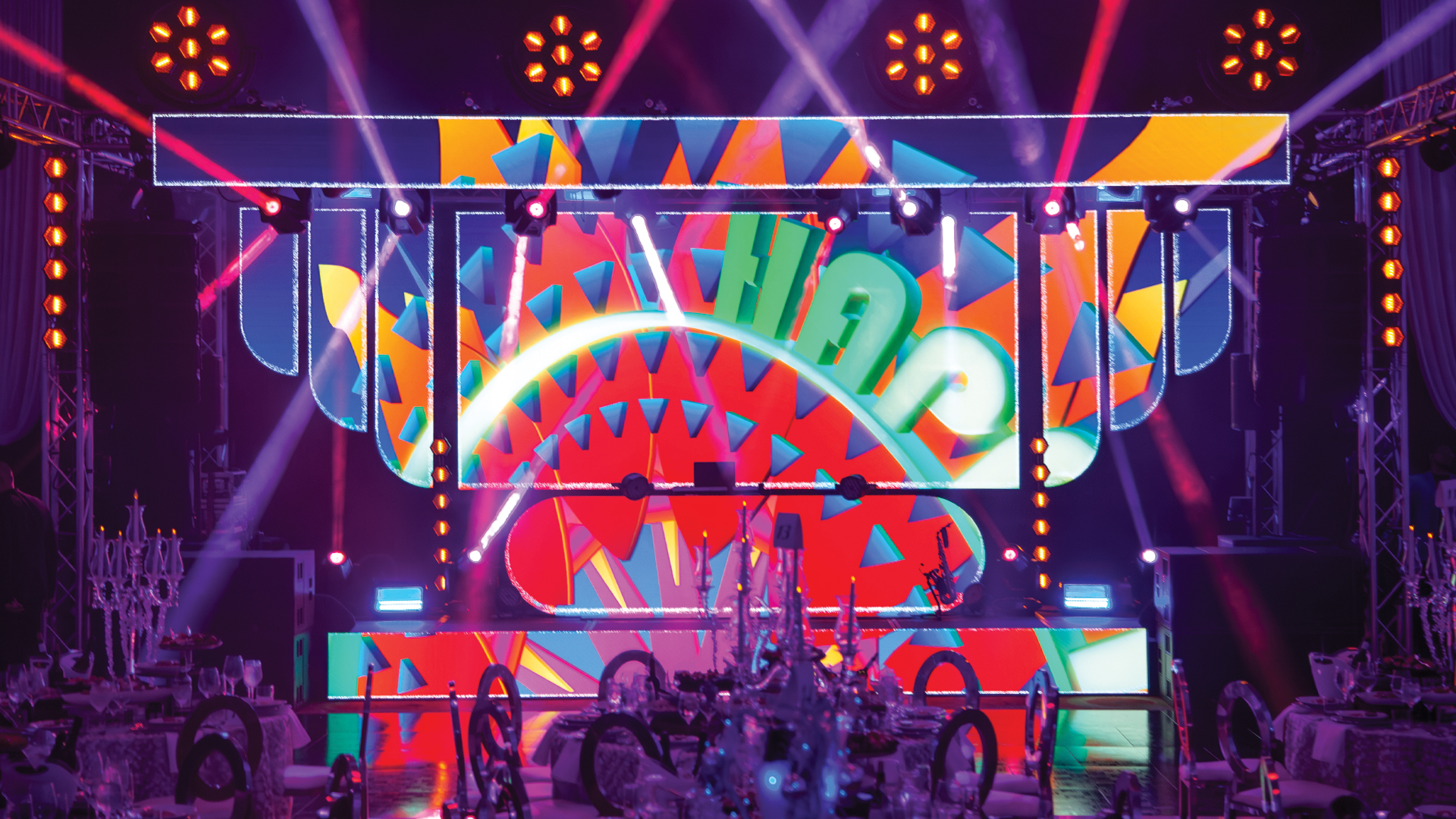
LED screen technology divides fundamentally between indoor and outdoor applications. While both use light-emitting diodes to create images, the engineering challenges of each environment demand specialized solutions. Choosing the wrong category for your application results in poor performance, accelerated wear, or equipment failure.
Brightness Requirements and Capabilities
Outdoor environments contend with direct sunlight that indoor spaces never experience. A display competing against the sun needs brightness levels five to ten times higher than indoor counterparts. Indoor LED panels typically produce 600 to 1,500 nits, adequate for controlled lighting environments. Outdoor panels must achieve 5,000 to 10,000 nits to remain visible when sun strikes the display surface directly.
This brightness difference requires significantly different LED packages and driver circuitry. Outdoor LEDs are physically larger and more robust, capable of sustained high-power operation without degradation. The power consumption difference is substantial: outdoor displays may draw three to four times more electricity per square meter than indoor equivalents at their respective typical operating levels.
Weather Protection and IP Ratings
Outdoor displays must survive rain, humidity, dust, temperature extremes, and UV exposure. IP (Ingress Protection) ratings indicate protection levels, with outdoor displays requiring IP65 or higher from the front. This rating means complete dust protection and resistance to water jets from any direction. Indoor displays may carry no IP rating or IP20, indicating minimal protection.
Weather sealing adds weight and complexity to cabinet construction. Gaskets seal every opening, conformal coatings protect circuit boards, and sealed cable entries prevent moisture intrusion. These protective measures increase manufacturing costs and cabinet weight. Outdoor cabinets typically weigh 30 to 50 percent more than indoor equivalents of similar size.
Pixel Pitch and Viewing Distance Differences
Indoor displays frequently use fine pixel pitches below 3mm because viewers may be very close. Corporate lobbies, trade show booths, and retail environments position audiences within feet of displays. This close viewing demands high resolution for smooth images without visible pixel structure.
Outdoor applications typically involve greater viewing distances. Stadium displays, building facades, and roadside billboards are viewed from tens or hundreds of feet away. These distances make fine pixel pitch unnecessary: a 10mm pitch display viewed from 50 feet appears as smooth as a 2.5mm display viewed from 12 feet. Coarser pixel pitch significantly reduces cost per square meter while maintaining appropriate visual quality for the application.
Thermal Management Challenges
Outdoor displays face dramatic temperature variations, from freezing winter nights to summer days exceeding 100°F with sun load adding additional heat. These thermal extremes stress components through expansion and contraction cycles. Electronics rated for office environments fail prematurely under these conditions.
Outdoor cabinet designs incorporate sophisticated cooling systems including fans, heat sinks, and sometimes active cooling for extreme environments. The cabinet itself may be designed to shade electronics from direct sun while allowing airflow for cooling. Operating temperature specifications for outdoor displays typically span -40°F to 140°F, far beyond indoor requirements.
Structural and Mounting Considerations
Outdoor installations must withstand wind loads that indoor displays never encounter. A large outdoor display presents substantial surface area to wind, creating forces that mounting structures must resist. Building codes specify wind load requirements based on geography and installation height. Outdoor display mounting systems include engineering certifications for specific wind speed ratings.
Weight considerations differ as well. Indoor displays hung from ceiling grids or mounted on standard walls face different structural limits than outdoor displays attached to steel structures or embedded in building facades. Outdoor mounting hardware uses stainless steel and galvanized components that resist corrosion over years of exposure.
LED Package Technology Differences
Indoor displays commonly use SMD (surface-mount device) technology where red, green, and blue LEDs are packaged together in a single enclosure. This compact packaging enables fine pixel pitches and wide viewing angles suitable for close-range indoor viewing.
Outdoor displays often use DIP (discrete in-line package) LEDs or weatherized SMD packages. DIP technology mounts each color LED separately in individual housings that protrude from the panel surface. This construction offers superior brightness, better weather resistance, and easier field repair. The larger package size limits pixel pitch but matches outdoor viewing distance requirements.
Serviceability and Maintenance Access
Indoor displays often use front-serviceable designs where modules can be removed from the viewing side. This enables maintenance without access behind the display, practical for wall-mounted installations with no rear access. Front serviceability requires specific module designs that add some cost but dramatically improve installation flexibility.
Outdoor displays may be front or rear serviceable depending on installation type. Building-mounted displays often require rear service from interior access points. Ground-level billboard-style displays may use front access for convenience. The larger module sizes common in outdoor displays make individual component replacement more practical than in densely packed indoor panels.
Cost and Value Considerations
Outdoor-rated displays cost more than indoor equivalents at any given pixel pitch due to weather protection, brightness requirements, and robust construction. However, coarser pixel pitches common in outdoor applications offset some of this premium. A 10mm outdoor display may cost similar amounts per square meter to a 2.5mm indoor display despite the additional weatherization.
Using indoor displays outdoors destroys equipment rapidly, making the outdoor premium worthwhile when environmental exposure occurs. Using outdoor displays indoors wastes budget on unnecessary capabilities while potentially introducing aesthetic compromises from coarser pixel pitch and different optical characteristics.
Hybrid and Semi-Outdoor Applications
Some applications fall between indoor and outdoor categories. Covered but unenclosed spaces like stadiums, pavilions, and open-air venues need displays that handle humidity and temperature variation without full weather exposure. Semi-outdoor rated displays bridge this gap with intermediate protection levels at costs between full indoor and outdoor specifications.
Window displays present another hybrid case. Interior-mounted displays visible through storefront windows may need outdoor-level brightness to compete with daylight while operating in climate-controlled environments. Specialized high-bright indoor displays serve this application without full outdoor weatherization.
Making the Right Selection
Evaluate each installation’s actual conditions rather than assuming indoor or outdoor based on general description. Consider maximum brightness requirements, environmental exposure including incidental moisture or dust, temperature ranges throughout the year, viewing distances that determine appropriate pixel pitch, and service access constraints.
Specify appropriate equipment from the start rather than adapting displays designed for different conditions. The categories exist because different applications require different engineering approaches. Matching equipment to environment ensures optimal performance and maximizes equipment lifespan.
