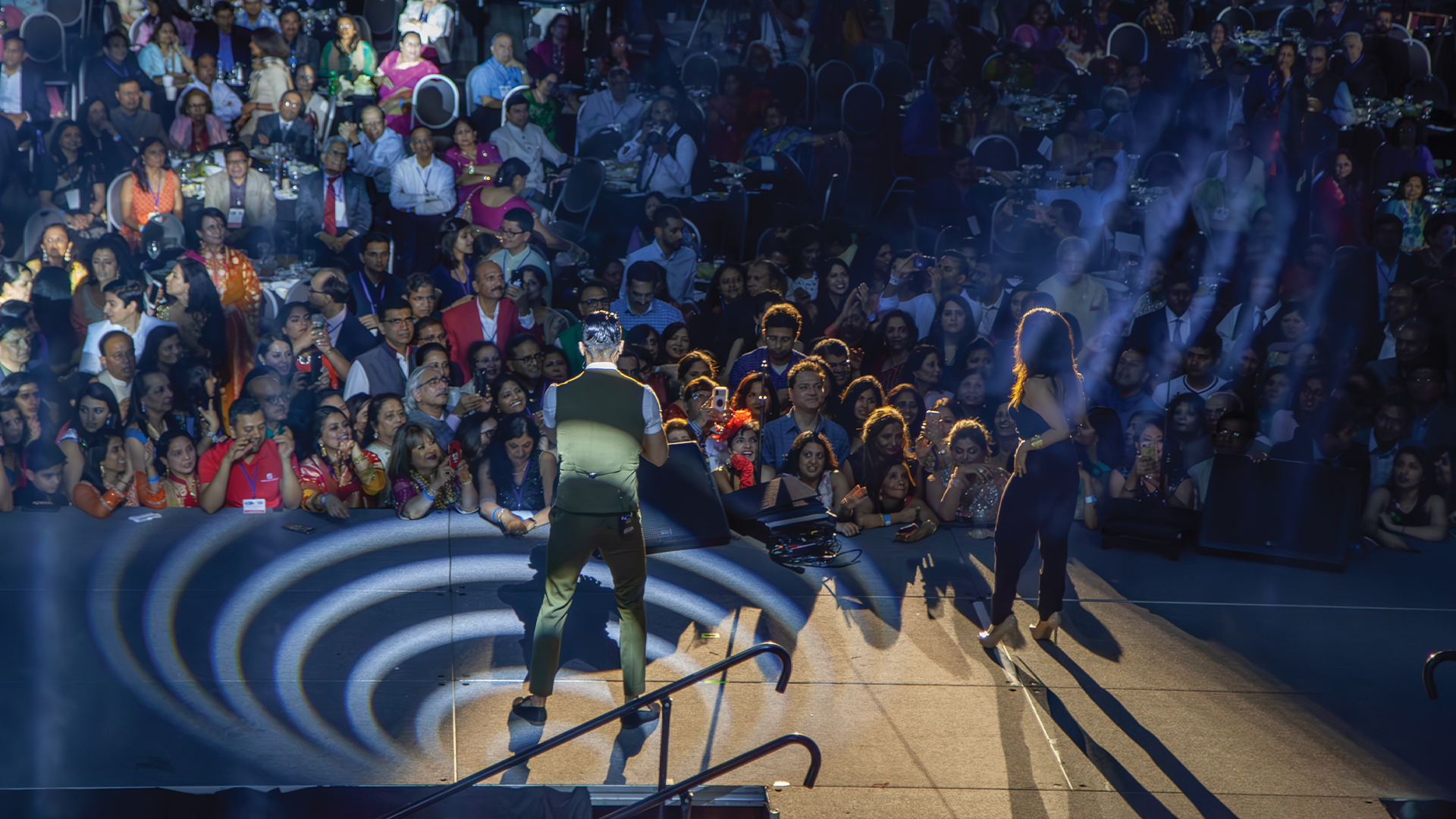

Live concerts have always depended on pristine, well-balanced sound, but in 2025 the expectations have reached a new level. Audiences demand clarity, depth, power, and consistency from the moment the first note is played. With modern production standards rising each year, event planners and technicians must understand the essentials of audio gear, how it works together, and what separates a good concert mix from an exceptional one. Whether you are organizing a small festival, a club performance, or a large-scale arena show, having the right tools and knowledge is critical for delivering a world-class audio experience.
Modern concertgoers are more aware of sound quality than ever before. They expect the vocals to be crisp, instruments to sit clearly in the mix, and low frequencies to hit with precision instead of muddy overpowering thumps. This is why upgrading to professional-grade equipment and understanding how to deploy it effectively has become essential for any successful event. The following guide breaks down the core components of live sound systems, explores what makes them effective, and explains how they shape a concert’s sonic identity.
The Core Components of a Professional Concert Sound System
Every great mix begins with the right gear. A professional setup typically includes PA speakers, subwoofers, monitors, mixing consoles, microphones, DI boxes, power amplifiers, and signal processors. Each component plays a specific role, and they must all work together cohesively for the audience to experience a balanced, powerful sound.
PA speakers are responsible for projecting sound to the audience. Modern line-array systems allow engineers to deliver even coverage across large crowds with minimal distortion. Subwoofers extend low-frequency energy, giving concerts the power and impact fans expect. Stage monitors ensure performers hear themselves clearly, helping them stay in tune and maintain rhythm. Without proper monitoring, even the best musicians can struggle during a performance.
Microphones capture vocals and instruments with clarity and precision. Wireless systems allow performers to move freely without compromising audio quality. DI boxes preserve signal integrity for electric instruments and are essential for clean, noise-free tone. Power amplifiers give the system the muscle needed to drive speakers at high volumes without distortion.
Finally, mixing consoles serve as the command center of the entire setup. Engineers use them to balance levels, shape tone, apply effects, and control every detail of the sound. Whether digital or analog, the console is where all sound sources converge, making it a crucial part of modern audio gear setups.
Understanding Line-Array Systems and Why They Dominate Concert Audio
Line-arrays are now the gold standard for large concerts. They offer even sound distribution, high output, and excellent clarity over long distances. Traditional speakers tend to lose definition as sound travels, but line-arrays use physics to maintain energy and directionality. Each speaker cabinet is designed to couple with the others, forming a vertical column that behaves like a single, powerful sound source.
This configuration reduces unwanted reflections and helps engineers control the coverage area with precision. Adjustable angles allow arrays to reach balconies, rear sections, and wide venues without sacrificing consistency. Subwoofers often accompany line-arrays in ground stacks or flown configurations, depending on the venue. When properly aligned and tuned, these systems deliver deep, chest-punching bass that feels clean and controlled rather than overwhelming.
For modern concerts, where clarity and power are equally important, line-arrays offer the ideal balance. This is why major touring artists, festivals, and production companies rely on them as the backbone of their sound systems.
Digital Mixing Consoles and the Art of Live Sound Engineering
Digital consoles have transformed live audio production. They provide incredible flexibility, instant recall, onboard effects, and detailed routing options that would be impossible with analog gear alone. Engineers can store scenes for each performer, making rehearsals efficient and ensuring consistent mixes every night.
One of the biggest advantages is built-in signal processing. Instead of depending on multiple racks of hardware, digital mixers include EQ, compression, noise gates, reverbs, delays, and multiband tools right inside the console. This makes the engineer’s workflow faster, more intuitive, and more creative.
Live sound engineering is as much an art as it is a technical skill. Engineers must understand how frequencies interact, how to avoid feedback, how to blend instruments into a cohesive mix, and how to adapt to changing conditions. Temperature, humidity, audience size, and venue acoustics all influence how the mix behaves throughout the night. A great engineer uses the console to shape every detail and ensure that the final result is polished, dynamic, and emotionally impactful.
Microphones and Wireless Systems for Modern Concerts
Choosing the right microphone for each instrument and vocal style is essential. Dynamic microphones excel in loud environments, making them ideal for drums, guitar amps, and aggressive vocals. Condenser microphones capture subtle details and are often used for acoustic instruments, choirs, or ambient recordings. Ribbon microphones, though rare on noisy stages, offer smooth, vintage-style tone when used properly.
Wireless systems have become increasingly reliable thanks to advancements in digital transmission, encryption, and interference suppression. Performers now expect freedom of movement, and wireless gear makes it possible without sacrificing sound quality. Antenna management, frequency coordination, and battery monitoring all play a vital role in keeping the system stable throughout the show.
Stage Monitors and In-Ear Monitoring
Stage monitoring is one of the most important aspects of live sound. If performers cannot hear themselves, the entire performance suffers. Traditional floor monitors remain popular for bands that prefer loud, energetic stages. They are powerful, durable, and easy to position.
In-ear monitors (IEMs), however, have become the standard for most professional touring artists. They offer personalized mixes, reduce stage noise, and protect hearing. With IEMs, performers get consistent sound no matter how large the venue is. Sound engineers appreciate IEMs because they minimize microphone bleed, feedback issues, and acoustic clutter on stage.
Both solutions remain vital depending on the style of music, performer preference, and production budget.
Signal Processing and FX for Live Concerts
Effects processors help shape the sound and give the mix depth, character, and atmosphere. Reverb adds space, delay adds motion, compression adds control, and equalization shapes tone. High-quality processing can make vocals sound polished, instruments sound full, and transitions feel seamless.
Modern digital consoles include internal effects, but external hardware units still play a role in many productions. Some engineers prefer the warmth and sonic texture of analog compressors or the complexity of high-end reverb units. The combination of digital convenience and analog character allows for deep creativity and precise control.
Power Distribution and System Safety
Large sound systems require stable, clean power. Concert audio equipment draws significant current, especially when amplifiers and subwoofers operate at high levels. Without proper power distribution, noise, dropout, and equipment failure can occur. Voltage regulators, power conditioners, and dedicated circuits ensure safety and reliability. Technicians must understand grounding, load balancing, and cable management to prevent hazards and deliver uninterrupted performance.
In 2025, energy-efficient amplifiers, smart power distribution units, and remote-monitoring systems have made power management more reliable than ever. But the importance of proper setup and safety procedures remains unchanged.
Acoustic Challenges and How Engineers Solve Them
Every venue presents unique acoustic obstacles. Outdoor stages face wind, temperature shifts, and sound dispersion challenges. Indoor venues struggle with reflections, low-frequency buildup, and reverberation. Engineers use tools like system tuning, EQ adjustments, delay speakers, and acoustic treatment to shape the environment.
Tuning a PA system is a crucial step in achieving the right balance. Using measurement microphones and analysis software, engineers align speaker timing, match frequency response, and eliminate unwanted peaks. This ensures the audience hears a smooth, consistent mix regardless of where they stand.
Future Trends in Concert Audio Technology
The future of audio gear is exciting. AI-assisted mixing, automated frequency coordination, ultra-efficient amplifiers, networked audio, and immersive sound formats are becoming more accessible. These innovations expand creative possibilities and allow engineers to focus more on the art of mixing rather than troubleshooting.
We are also seeing rapid advancements in compact, powerful speakers that deliver incredible output without increasing size or weight. Wireless audio distribution, flexible Dante networks, and modular PA systems are reshaping the way concerts are produced.
As technology evolves, audio production will continue to become more efficient, more immersive, and more adaptable to the unique needs of each performance.
Conclusion
Professional-quality audio gear is the foundation of every successful live concert. From PA systems and microphones to consoles, monitors, and power distribution, each component must work in harmony to deliver a powerful, clear, and emotionally engaging sound. As the industry continues to innovate, event planners and sound engineers can expect even greater tools, flexibility, and creative possibilities in the years ahead.
