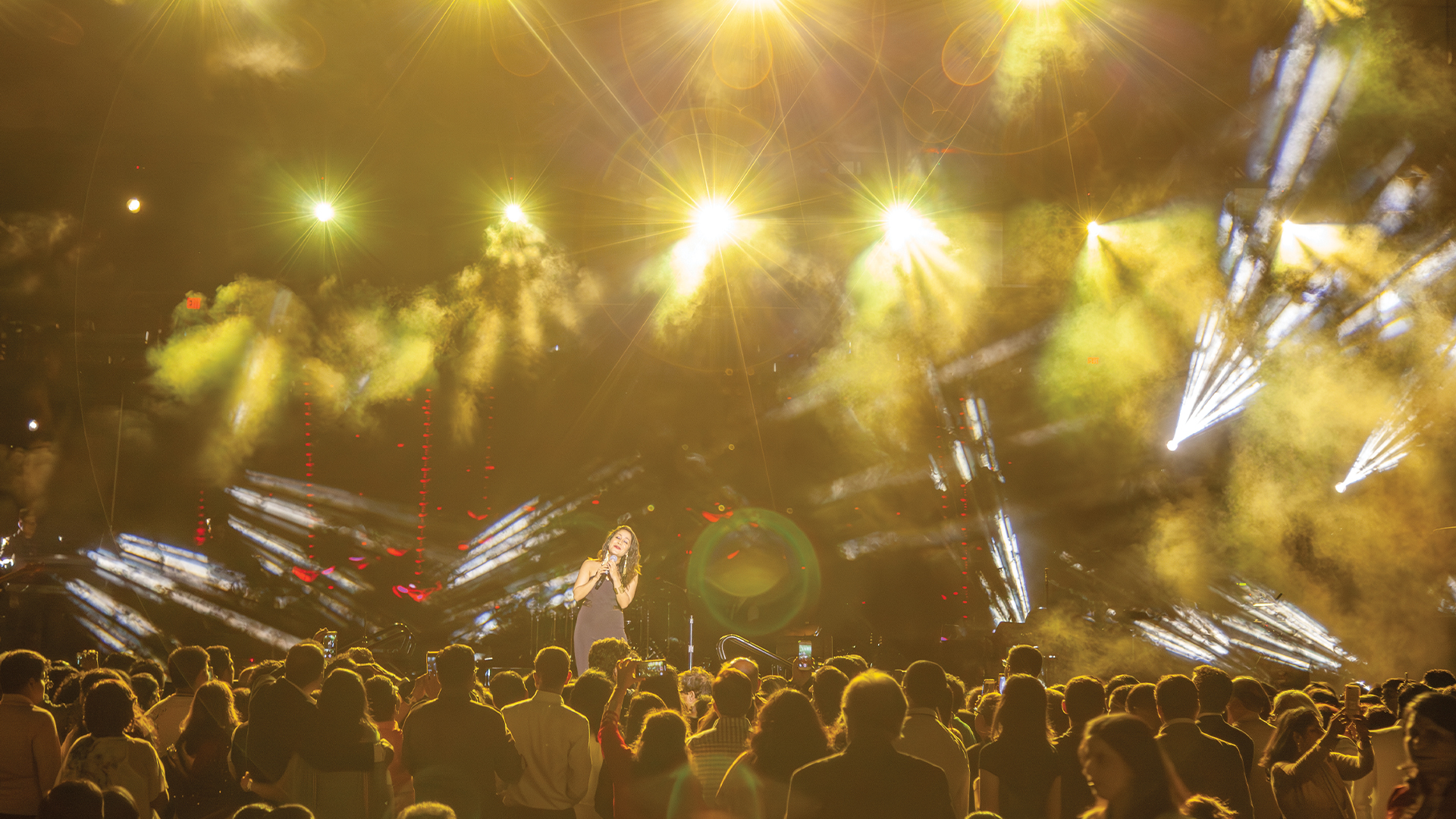
The cryo jets were supposed to punctuate the guitar solo with six-foot plumes of white vapor—theatrical exclamation points emphasizing the musical moment. Instead, they produced columns of frozen mist so dense and persistent that they obliterated the performer entirely, turning a carefully choreographed reveal into an unintentional disappearing act. The special effects coordinator watched in horror as approximately eight thousand dollars of liquid nitrogen rendered the star invisible for nearly thirty seconds.
The Hierarchy of Atmospheric Effects
Not all fog is created equal, and understanding the hierarchy matters for productions that want atmosphere without catastrophe. Haze provides ambient light-catching particles without obscuring vision. Standard fog from glycol-based fluid creates denser clouds for specific moments. Low fog using chillers or CO2 stays ground-level for ethereal effects. And cryogenic effects using liquid nitrogen or CO2 create dramatic plumes for high-impact moments.
Each category requires different equipment, different safety considerations, and different operational expertise. The MDG MAX series that produces beautiful haze operates nothing like the cryogenic cannons that create explosive plumes. Productions sometimes treat all atmospheric effects as interchangeable—a mistake that leads to either underwhelming results or overwhelming chaos.
The Cryo Calculation Error
The disappearing guitarist resulted from miscalculated flow rates. Cryogenic jets operate on pressure systems that convert liquid nitrogen to gas explosively rapidly. The nozzle configuration determines plume shape and height; flow rate determines density and duration. The effects team had tested the system in an empty venue, not accounting for how a packed house’s body heat would affect vapor behavior.
Cold vapor sinks. In the empty venue test, the plumes rose and dissipated as expected. With an audience generating substantial thermal energy, the temperature differential created downdrafts that pushed the vapor back toward stage level rather than allowing it to rise and disperse. The guitarist became the center of a localized weather system created by the interaction of cryogenics and crowd heat.
Integration Failures and Communication Gaps
Atmospheric effects must integrate with lighting design, but this integration often fails in practice. The lighting designer plans looks assuming certain atmospheric density. The effects operator manages output based on their own parameters. Without continuous communication, the two systems work against each other—fog obscuring lights intended to cut through it, or insufficient atmosphere for beams that need particles to become visible.
Modern productions increasingly integrate fog control into lighting console programming. The grandMA3 can trigger atmospheric cues alongside lighting changes, ensuring coordination. DMX-controlled fog machines like the Ultratec Radiance allow precise output management through the same infrastructure controlling fixtures. This integration works when it’s planned; it fails spectacularly when atmospheric effects remain an afterthought.
Safety Protocols for Extreme Effects
Cryogenic effects require safety protocols beyond standard theatrical fog. Liquid nitrogen at minus 320 degrees Fahrenheit causes instant frostbite on contact. CO2 displacement can create oxygen-deficient atmospheres in enclosed spaces. High-pressure systems present their own hazards. The spectacular visual results come with proportionally spectacular risks.
Professional SFX companies maintain comprehensive safety documentation for cryogenic effects. Personnel wear appropriate PPE when handling cryogens. Exclusion zones prevent performers from approaching active nozzles. Oxygen monitoring equipment verifies breathable atmosphere in performance areas. These protocols exist because the consequences of cryogenic accidents are severe and immediate.
The Art of Atmospheric Restraint
Experienced effects designers often achieve better results through restraint than excess. A momentary burst of cryo creates impact; a sustained blast creates confusion. A subtle haze layer enhances lighting; dense fog obscures everything. The temptation to maximize impressive technology must be balanced against what actually serves the production.
The guitarist incident led to significantly modified effects programming. Cryo bursts were shortened from three seconds to one. Fan systems were added to accelerate vapor dispersal. The effects coordinator implemented a “less is more” philosophy that preserved the dramatic impact while preventing performer disappearances. Sometimes the most professional effect is the one that doesn’t completely overwhelm everything else.
Learning From Atmospheric Disasters
Every atmospheric effects professional accumulates stories of effects that stole shows rather than enhancing them. These experiences build judgment that no training simulation can replicate. The technician who has watched fog completely obscure a performer learns to anticipate conditions that cause excessive density. The coordinator who has dealt with fire marshal shutdowns due to smoke detector triggers learns to communicate proactively with venue safety personnel.
The fog machines that steal limelight do so because they’re given too much freedom. They produce exactly what they’re designed to produce—vapor, haze, cryo plumes—without regard for whether that production serves the show. The human expertise lies in constraining that capability, deploying atmospheric effects as support elements rather than allowing them to become unintended stars.
Keywords: cryo jets, special effects coordinator, liquid nitrogen, haze, standard fog, low fog, cryogenic effects, MDG MAX series, cryogenic cannons, flow rates, nozzle configuration, lighting designer, effects operator, fog control, lighting console programming, grandMA3, DMX-controlled fog machines, Ultratec Radiance, CO2 displacement, high-pressure systems, SFX companies, PPE, exclusion zones, oxygen monitoring, effects designers, fan systems, atmospheric effects professional
