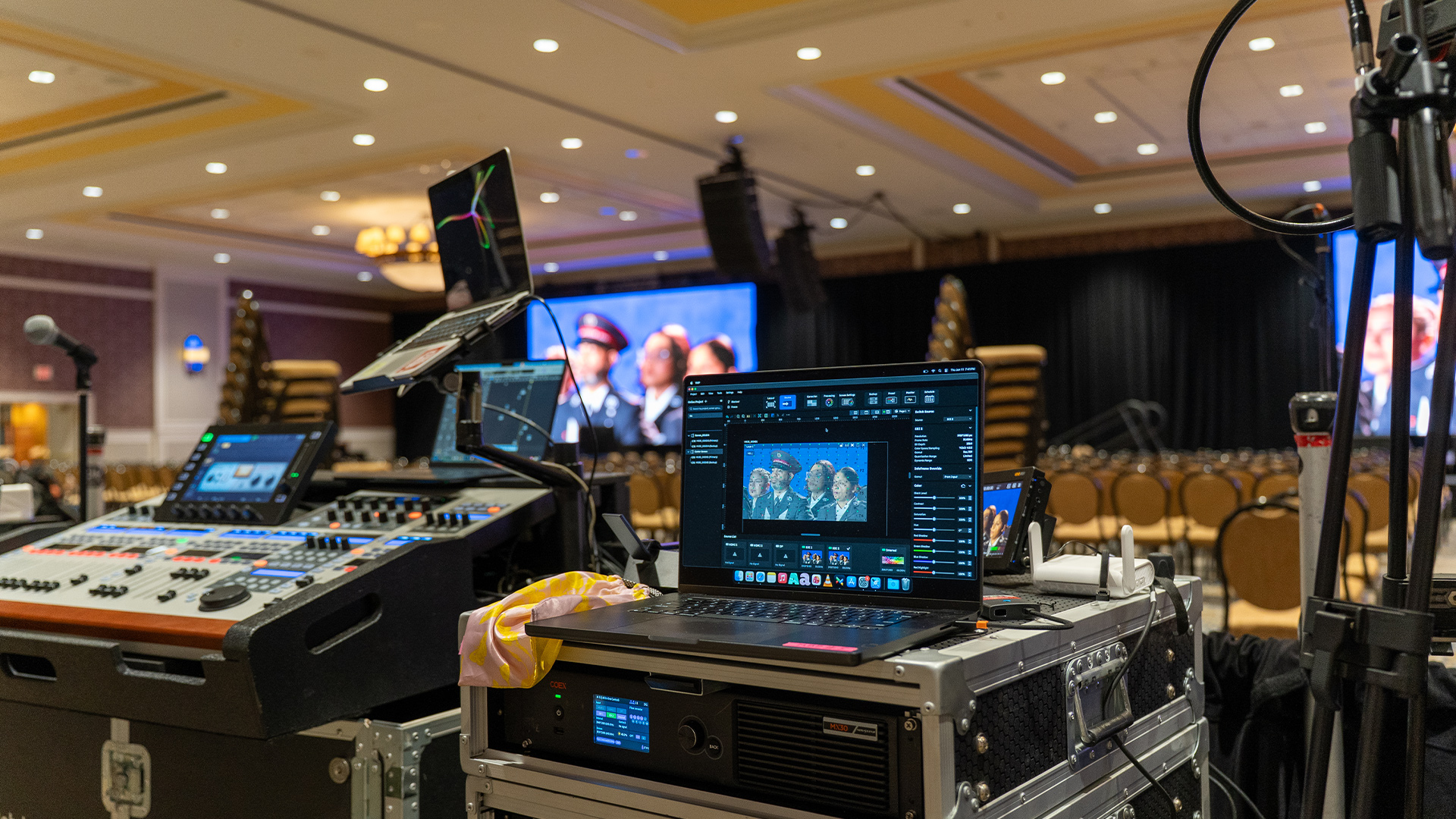
When the Academy Awards, the Eurovision Song Contest, or the FIFA World Cup opening ceremony happens, the lighting designer at the front-of-house position is operating a grandMA3 lighting console — almost without exception. The decision to standardize broadcast entertainment lighting control around a single platform is not a coincidence of brand loyalty; it reflects the grandMA3’s unique ability to satisfy the competing demands of live performance, live broadcast, and the increasingly important third audience: the social media clip viewer experiencing the event on a phone screen.
Broadcast-Specific Programming Considerations
Lighting for broadcast differs from lighting for a live audience in one critical respect: the camera is always a mediator between the light and the viewer. A lighting programmer working for a broadcast production must account for camera iris settings, the colorimetry profile of the production cameras (Sony F55, ARRI Alexa Mini LF, or RED MONSTRO, depending on the production), and the dynamic range limitations of broadcast color spaces. On the grandMA3, this manifests in programming discipline: intensity values are kept below 85% full to preserve headroom for camera exposure, and color values are checked against a vectorscope-connected reference monitor on the programming table to verify broadcast-safe chroma levels.
Timecode Synchronization for Multi-Camera Broadcasts
A broadcast production with 20 cameras requires that every lighting cue execute at exactly the right moment to be captured by the intended camera angle. The grandMA3’s SMPTE timecode engine allows the lighting console to receive timecode from the broadcast audio playback system and execute cues with frame-accurate precision — typically locked to a 25fps or 29.97fps timecode reference depending on the broadcast standard of the host country. On productions like the Eurovision Song Contest, which synchronizes lighting, pyrotechnics, video playback, and broadcast switching across multiple countries simultaneously, this frame-accurate synchronization capability is not a luxury — it is the foundational infrastructure of the production.
Remote Production and Console Networking
The rise of remote production — where directors and technical supervisors are located in broadcast centers thousands of kilometers from the physical venue — has driven the adoption of grandMA3 remote access features. Using the grandMA3’s built-in VPN-compatible network architecture and MA-Net3 protocol, a supervising LD can monitor and even operate a remote console from another continent. During the COVID-19 period, this capability enabled productions that would otherwise have been impossible — broadcast events where international lighting designers operated grandMA3 systems in venues they never physically entered.
